SDGs-2030 Awareness
Dedicated to environmental consciousness, youth stewardship, and achieving the UN Sustainable Development Goals by 2030.
Leading regional transformation towards the 2030 Global Goals.
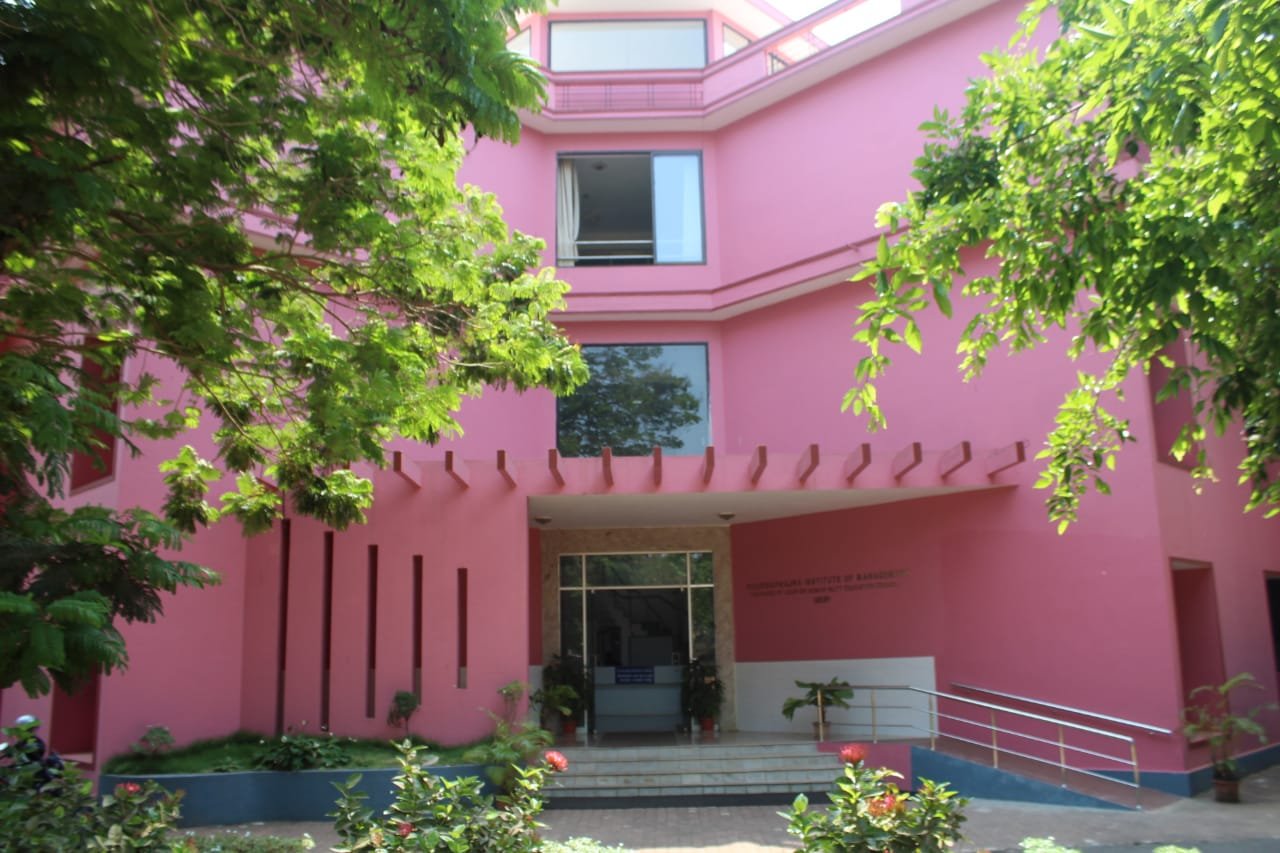
The Poornaprajna Centre for Environmental & SDGs-2030 Awareness is a dedicated initiative by Poornaprajna College aimed at promoting environmental consciousness and the achievement of the United Nations Sustainable Development Goals (SDGs) by 2030.
The Centre engages high school students and teachers in the region through a variety of activities, including guest lectures, demonstrations, exhibitions, expos, and awareness meetings, fostering a deep understanding of environmental issues and sustainable practices.
Through its outreach efforts, the Centre strives to inspire and equip the next generation to become proactive stewards of the environment and advocates for sustainability in their communities.
Nurturing ethical eco-leadership in high schools.
Applying global UN SDGs directly to coastal Karnataka.
The purpose of the Poornaprajna Centre for Environmental Awareness & SDGs 2030 is to promote awareness and understanding of environmental issues and the global Sustainable Development Goals (SDGs) among students and educators.
The Centre aims to empower youth and teachers to take concrete actions toward environmental protection and sustainable development through education, hands-on learning, and community engagement.
By integrating these global objectives into local contexts, the Centre fosters a culture of environmental stewardship, helping to build a more sustainable future.
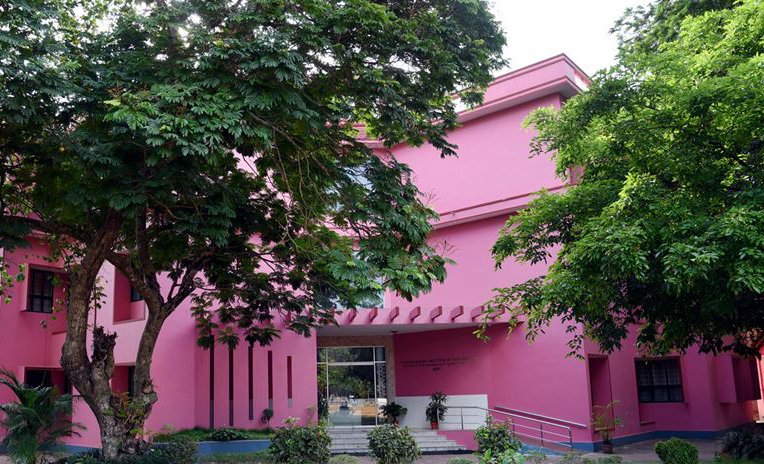
A structured institutional framework designed to educate, inspire, and mobilize schools and communities.
To increase knowledge and awareness of critical environmental issues, such as climate change, biodiversity loss, water conservation, and sustainable resource management, among high school students and educators.
To integrate the UN Sustainable Development Goals (SDGs) into educational programs, encouraging students and teachers to engage with global challenges related to sustainability, social justice, and economic development.
To provide opportunities for experiential learning through interactive demonstrations, field activities, and environmental science projects that highlight the importance of sustainable practices.
To offer professional development workshops that equip high school teachers with the latest tools, knowledge, and methods for teaching environmental science and sustainability topics.
To recognize and reward the efforts of teachers and students who demonstrate exceptional commitment to environmental protection through awards, encouraging the continued growth of environmental leadership in schools.
To engage local communities, including students, teachers, and parents, in discussions and activities around environmental protection, thereby promoting a culture of collective responsibility toward achieving the SDGs.
To introduce students to potential careers in environmental science, conservation, sustainable development, and related fields through guest lectures and guidance from industry experts.
To encourage students and educators to become advocates for sustainability by contributing articles, sharing ideas, and participating in awareness campaigns related to environmental protection and the SDGs.
Ten flagship operational programs executed throughout the academic year to empower students and educators.
Inviting environmental scientists and policy leaders on climate change, biodiversity, and clean energy.
Hands-on displays showcasing green tech, waste segregation, water treatment, and solar innovations.
Community meetings and expos to promote local action on the 17 UN Sustainable Development Goals.
Providing high school educators with modern pedagogical tools for sustainability curricula.
Recognizing exemplary teachers leading environmental awareness and green projects in schools.
District-wide competitions fostering eco-knowledge and healthy academic rivalry among students.
Be a part of the movement toward achieving the UN Sustainable Development Goals by 2030. Together, students, teachers, and communities can build an enduring green legacy.